Achievement Unlocked
Lang verschollenen Tux gefunden
Der Geist der CLT2026 lebt! 🐧✨
In this post, I take a look at the collected data from my weather station. I have cleaned the CSV exports and transferred them into a SQLite database to create comparative statistics and charts.
It is amazing what you can see when you look at the data over several years (2022 to present). We are again a bit nerdy on the terminal, using Python and Matplotlib for the visualization.
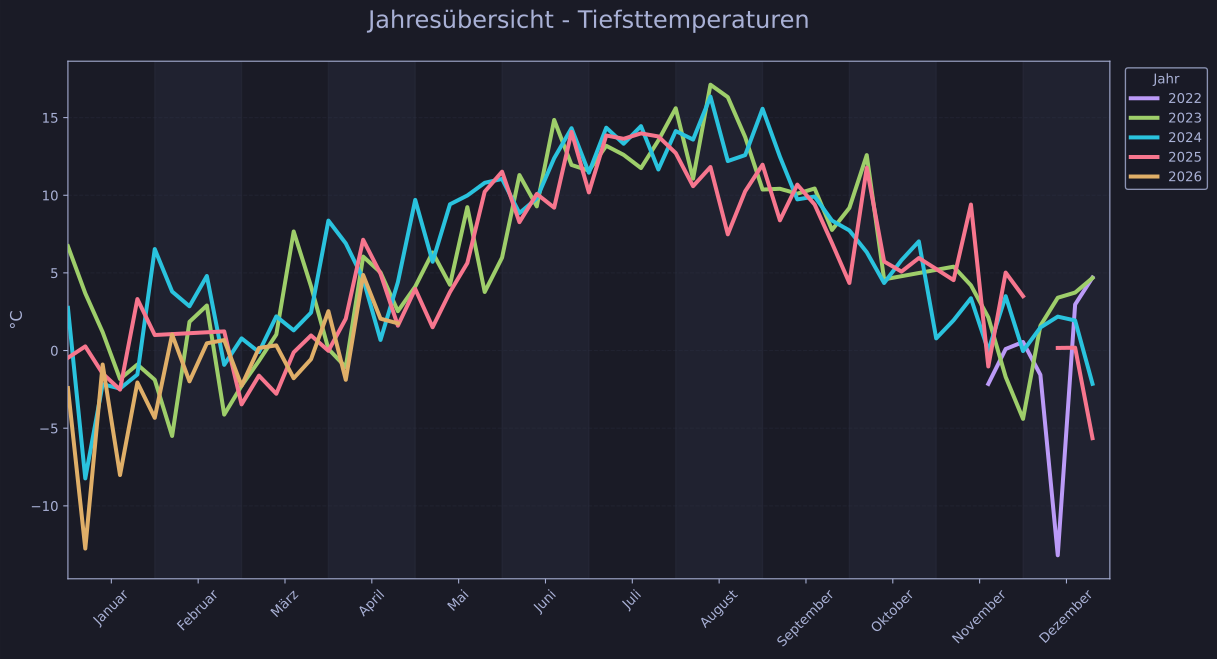
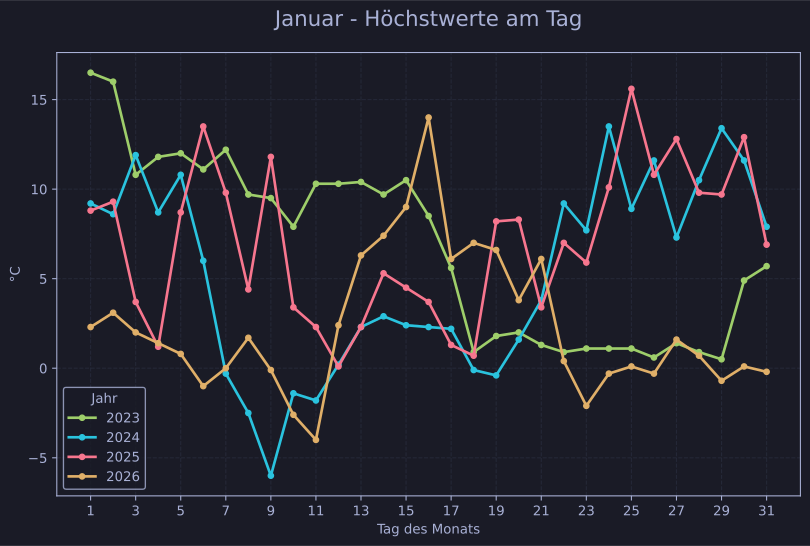
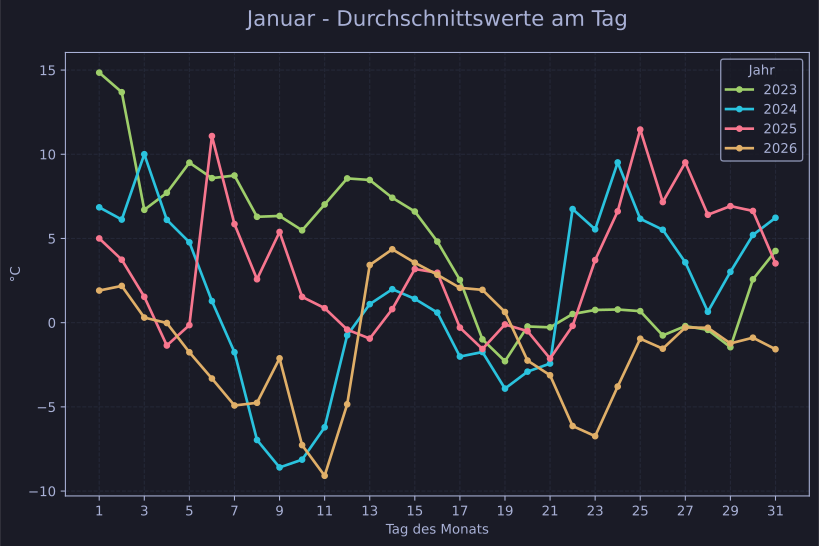
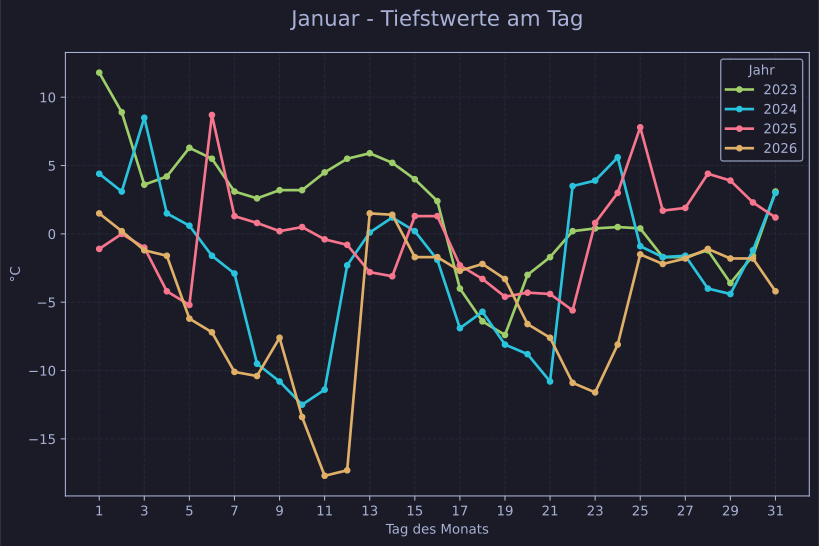
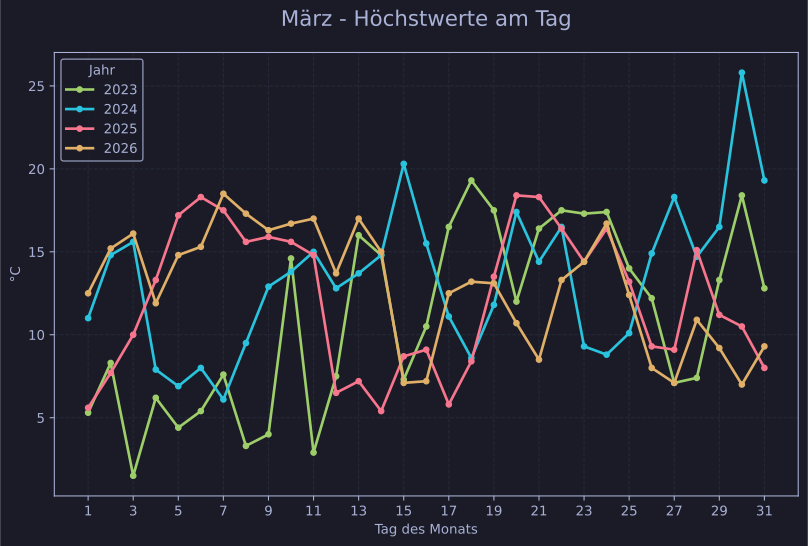
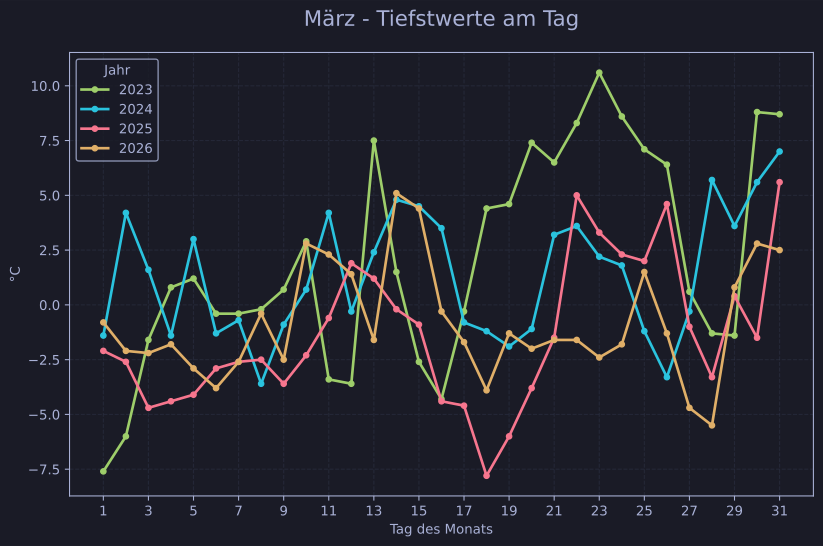
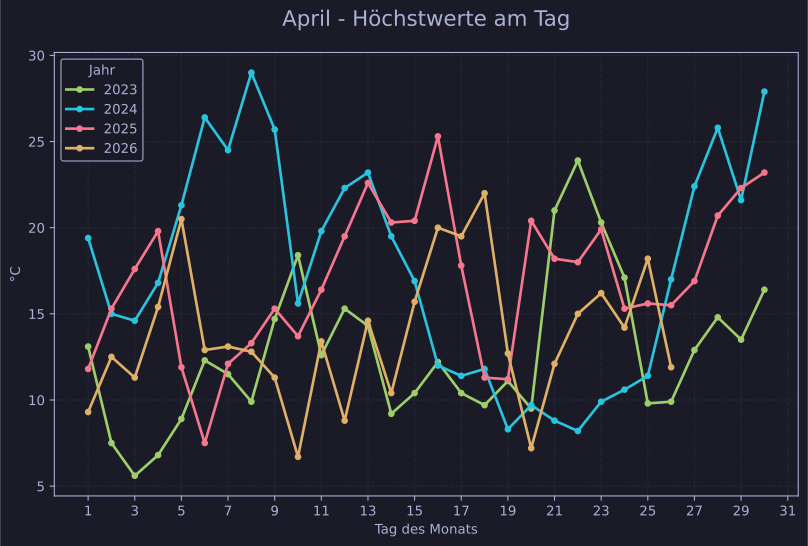
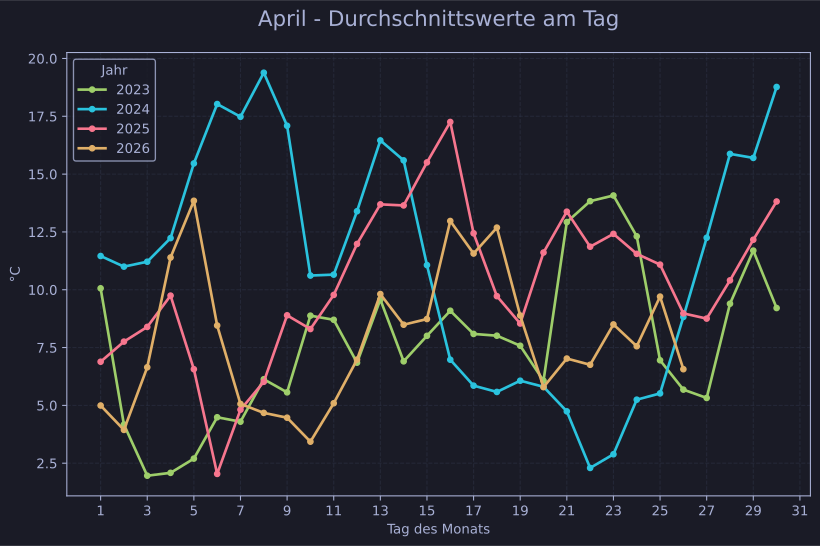
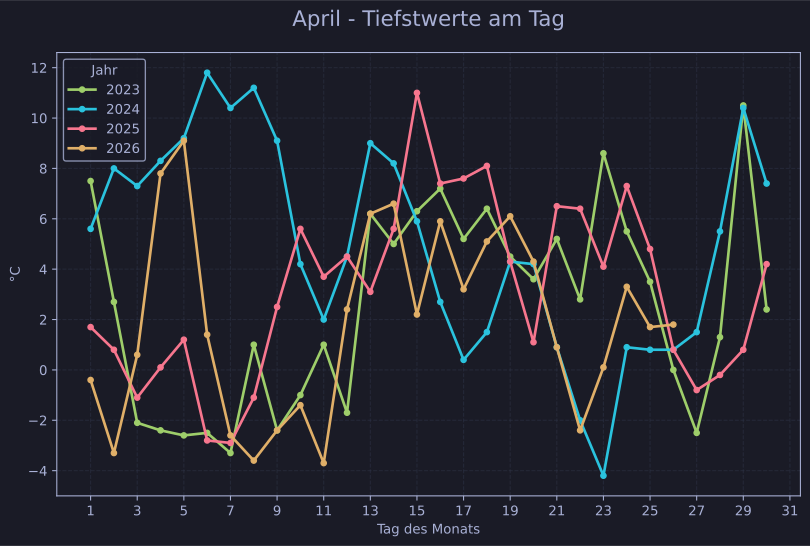
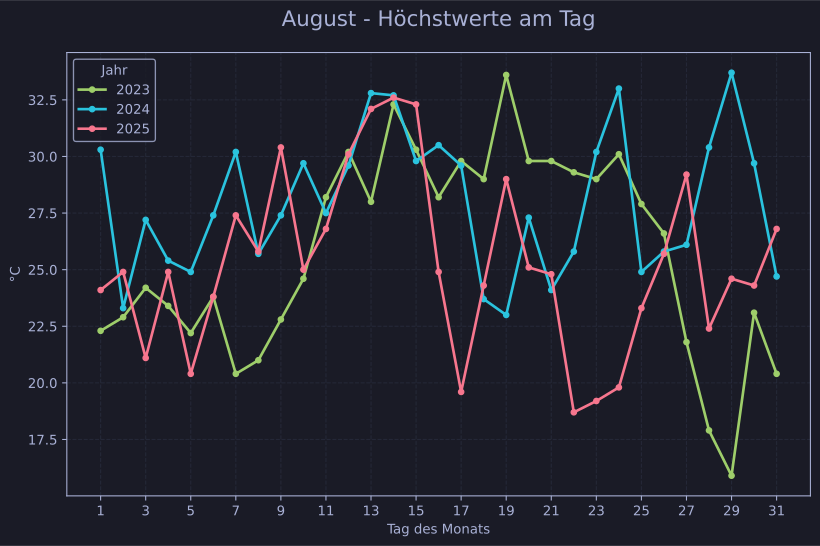
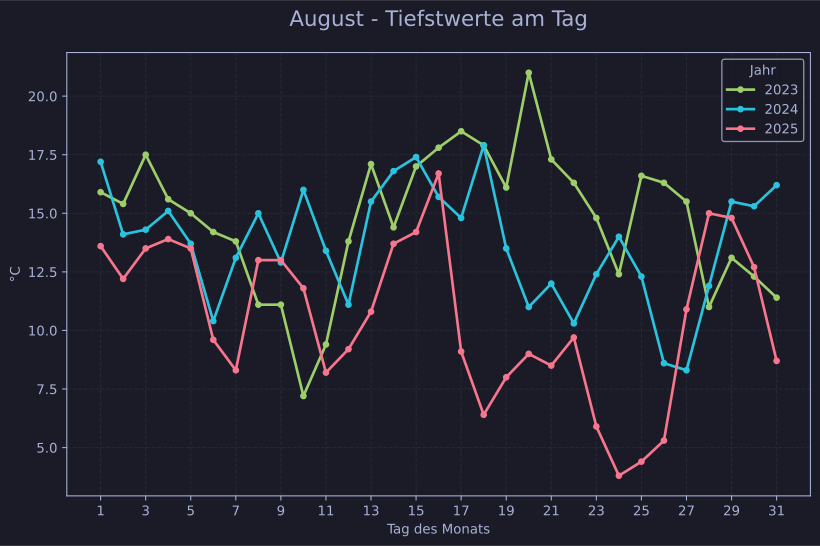
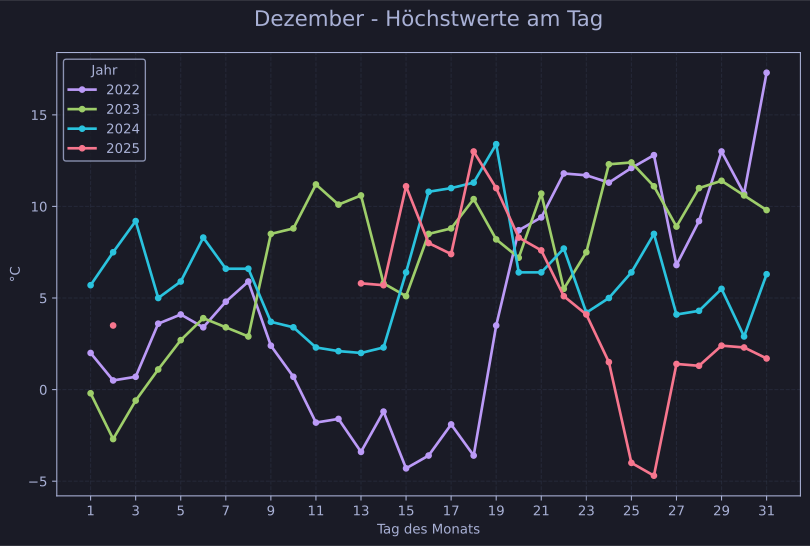
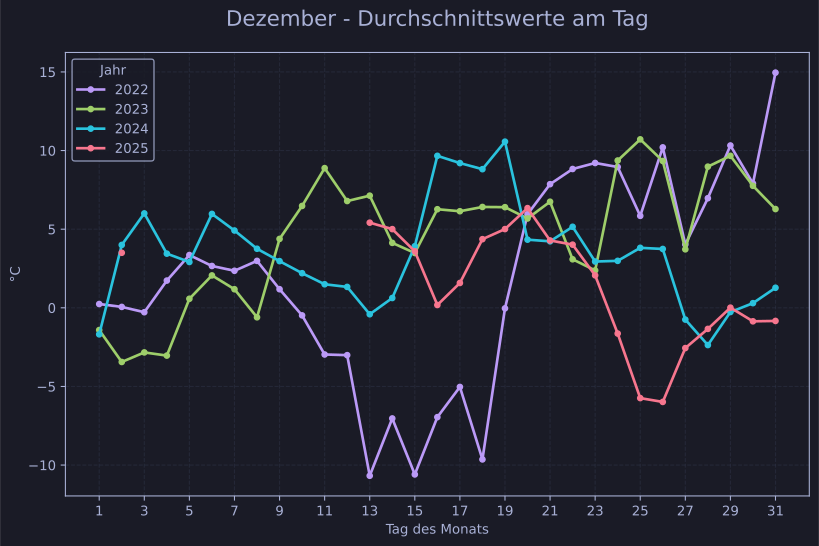
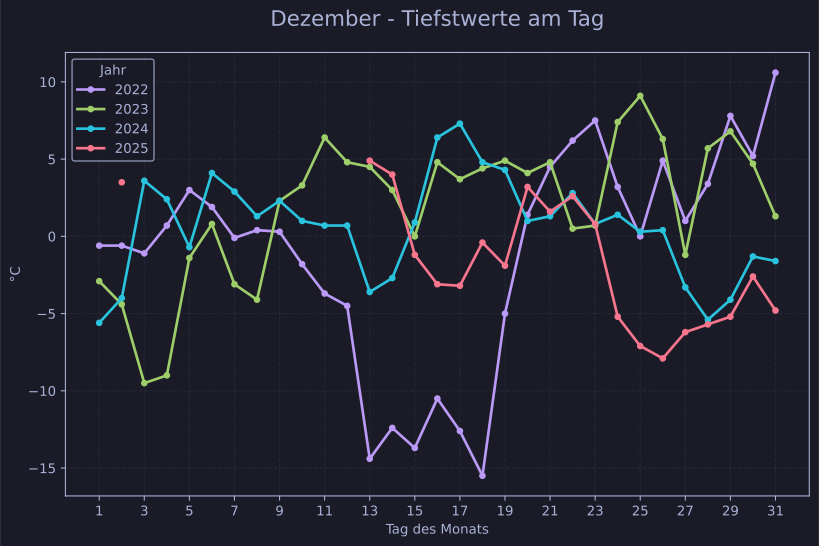
Here are the comparative evaluations of daily maximum and minimum temperatures for each month. The colors represent the different years:
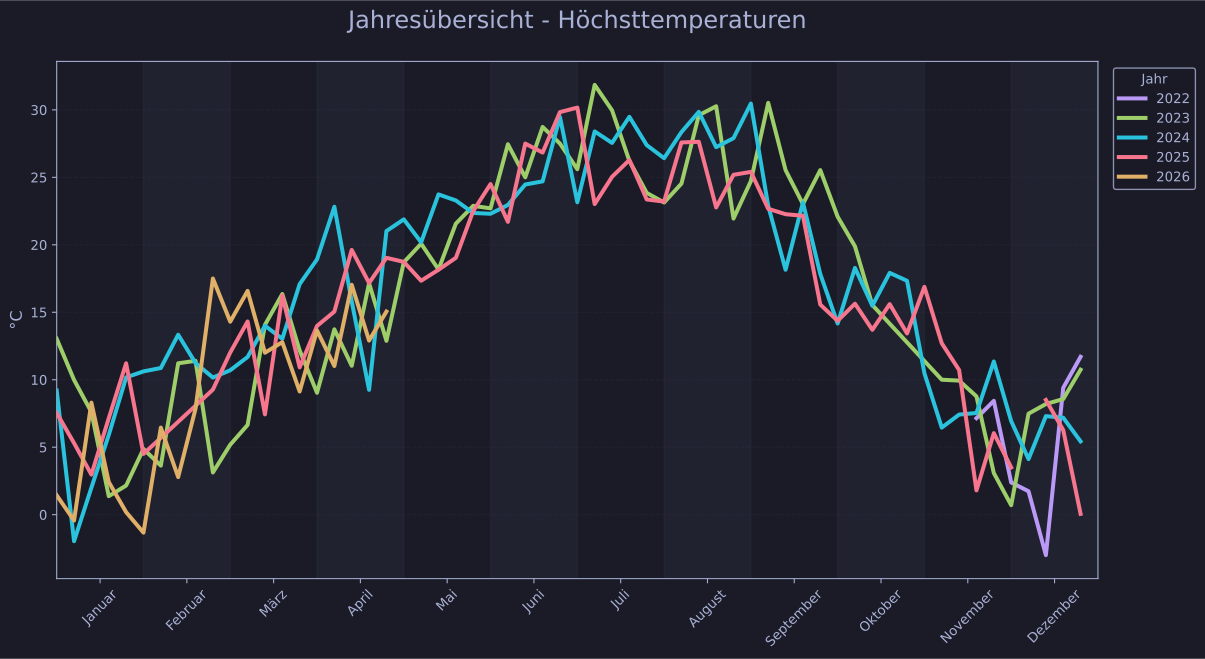
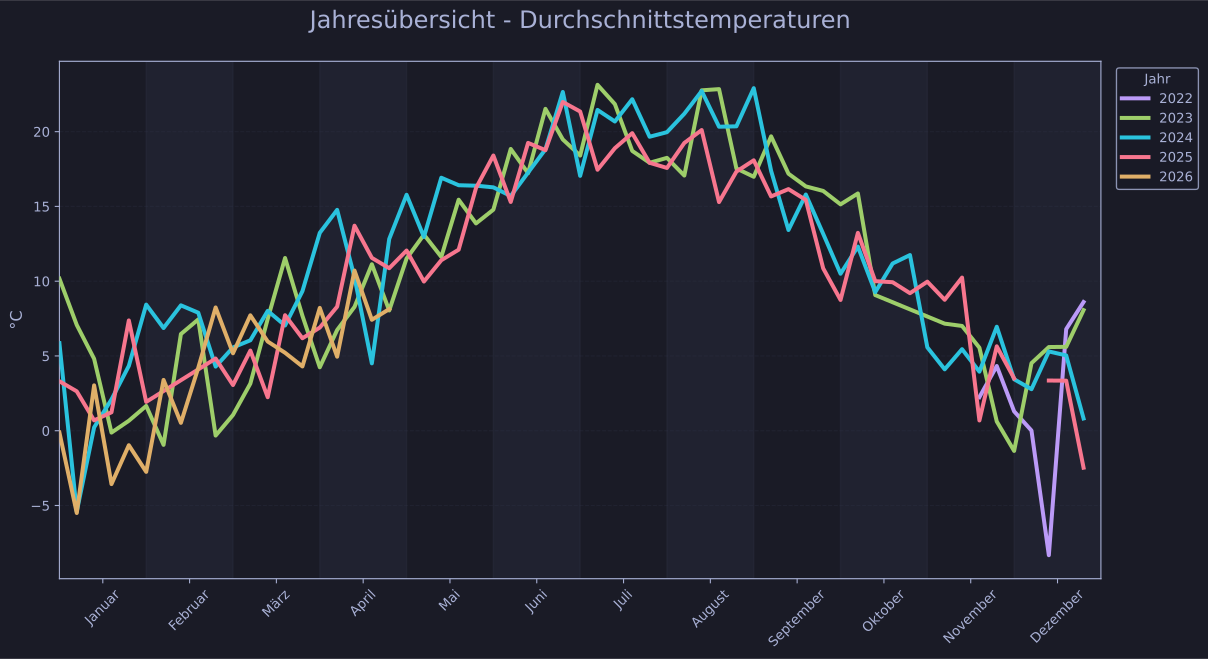
To provide a better overview of the trends, this summary shows the progression over the entire year. The data has been smoothed by dividing each month into 5 segments (approx. 6-day intervals). This removes the daily “spikes” and makes the seasonal trend visible.
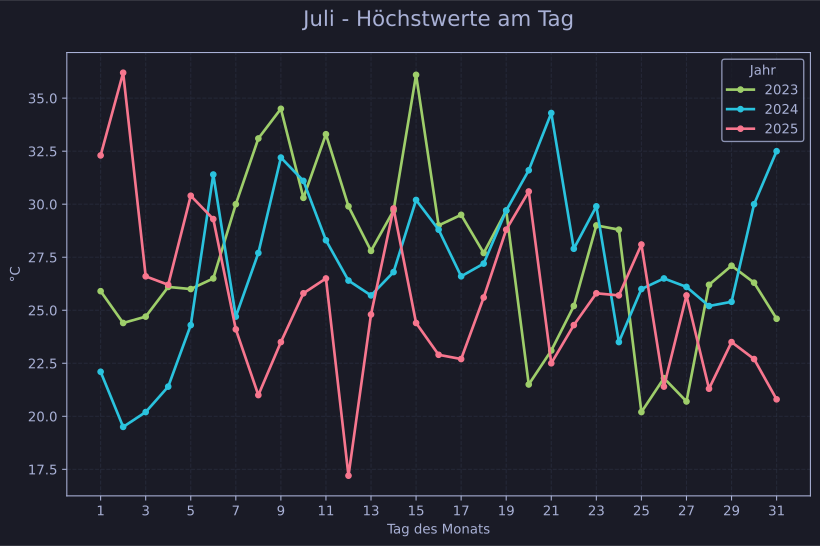
My database contains some interesting extremes: The hottest day so far was July 2nd, 2025, with a solid 36.2 °C. On the other hand, January 11th, 2026, holds the cold record with a frosty -17.7 °C.
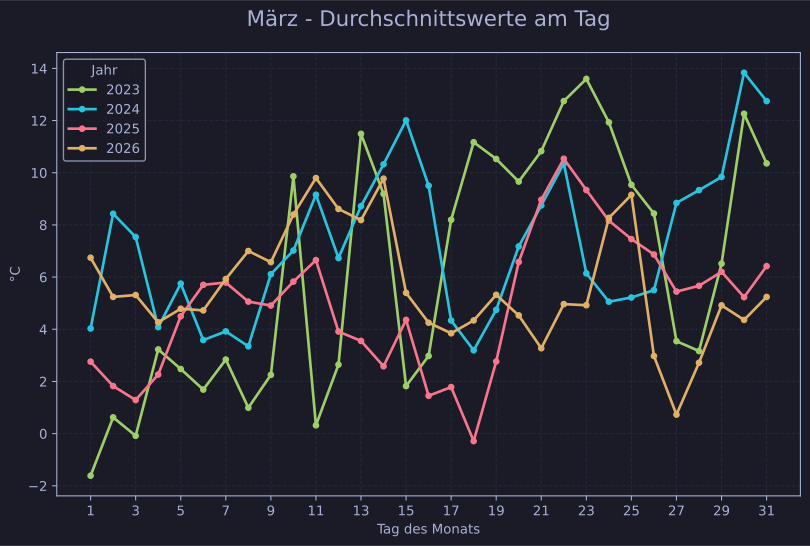
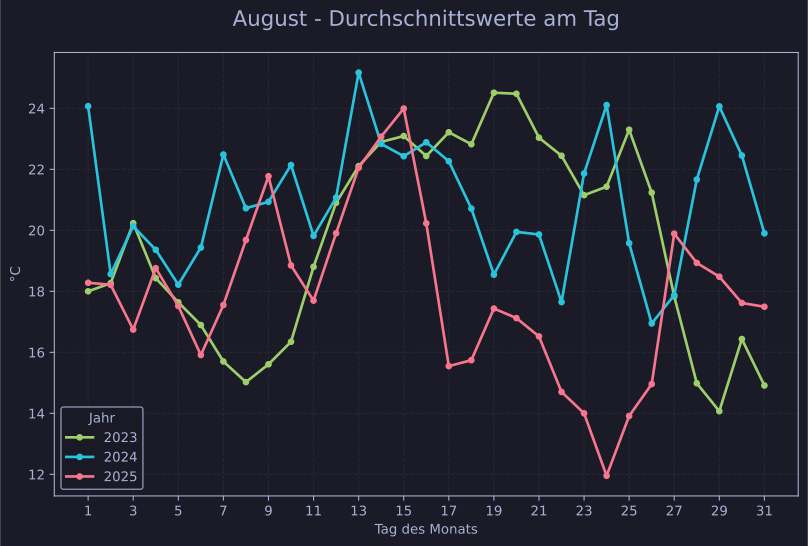
Looking at the average temperatures, it is clear that 2024, with an average of approx. 11.5 °C, was slightly warmer than 2023 (11.2 °C).
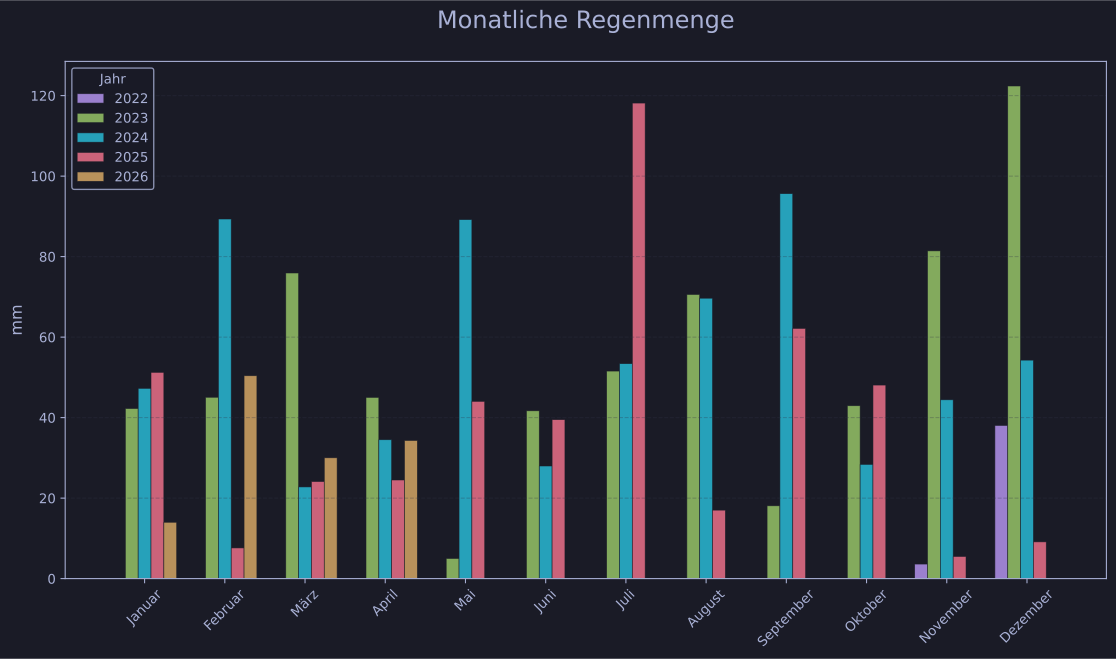
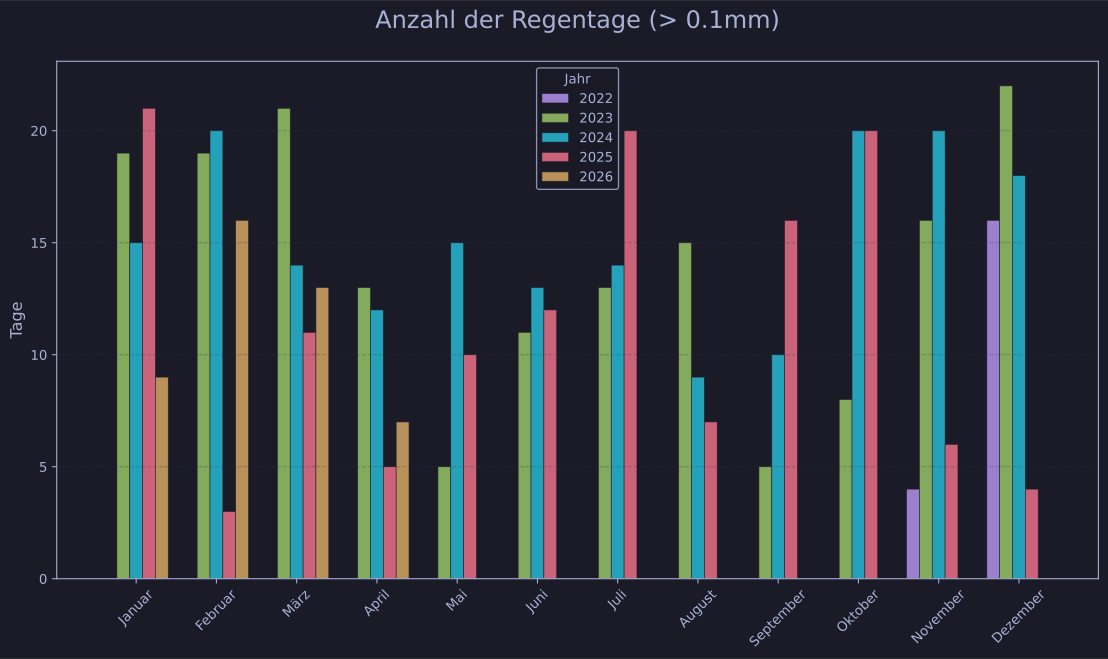
Besides temperature, rainfall is one of the most important parameters. December 2023 stands out, being the wettest month in my records with a total of 122.4 mm of precipitation.
The diagrams show the total monthly amount and the number of days it rained (at least 0.1 mm). It is quite visible that 2024 was generally a “wet” year compared to the others.
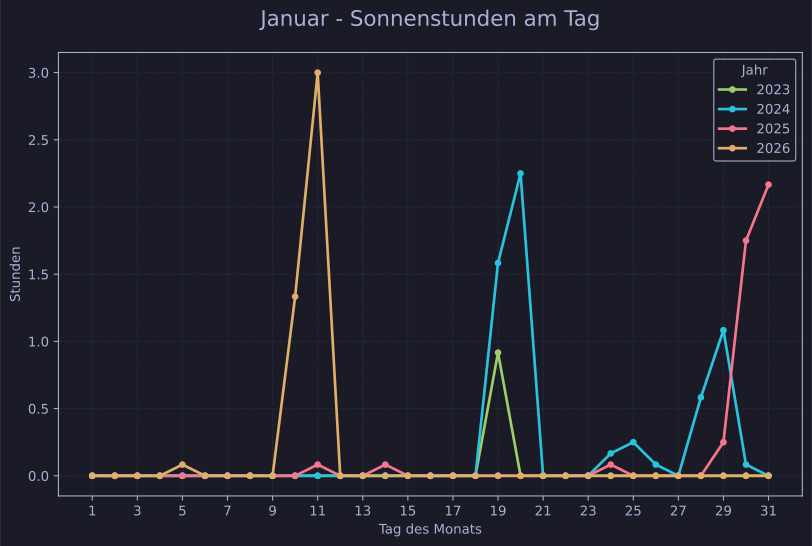
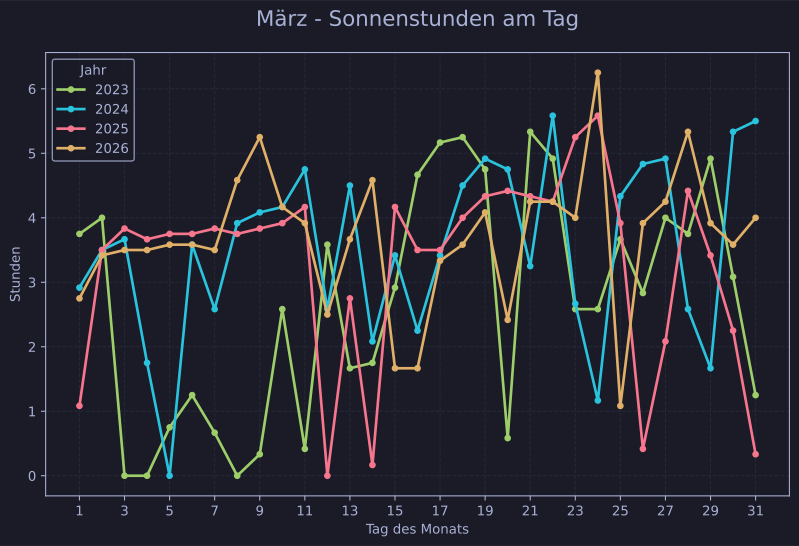
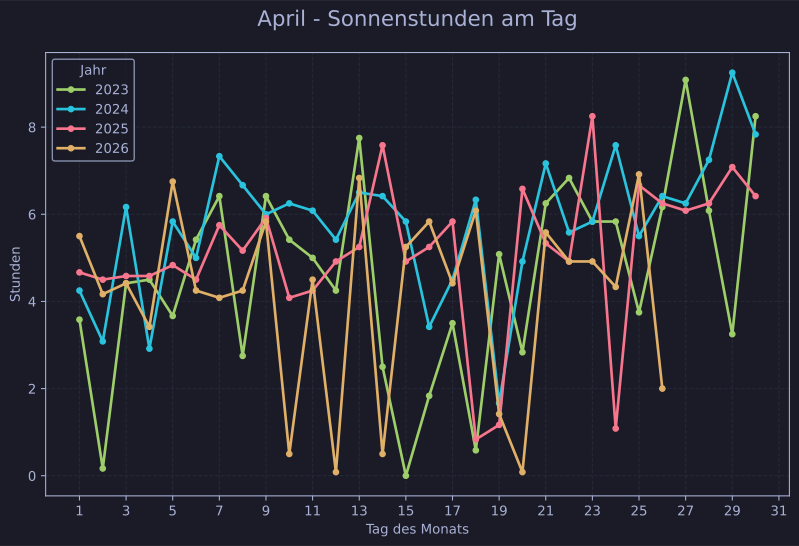
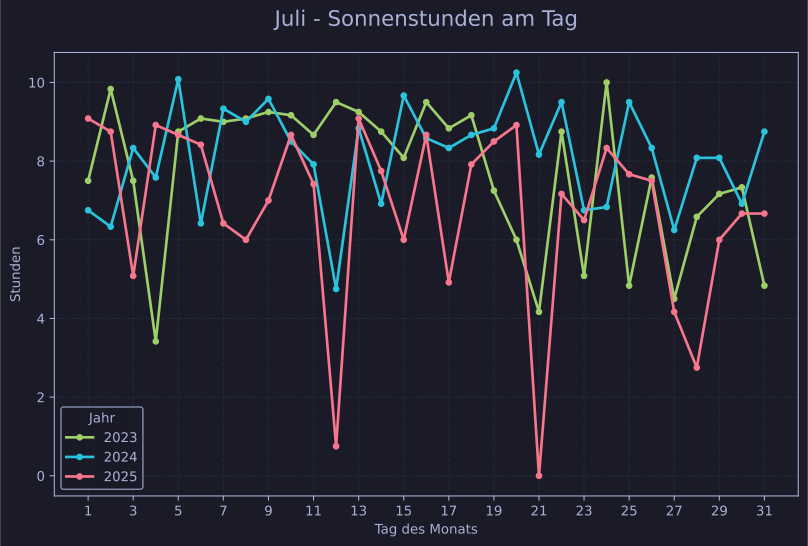
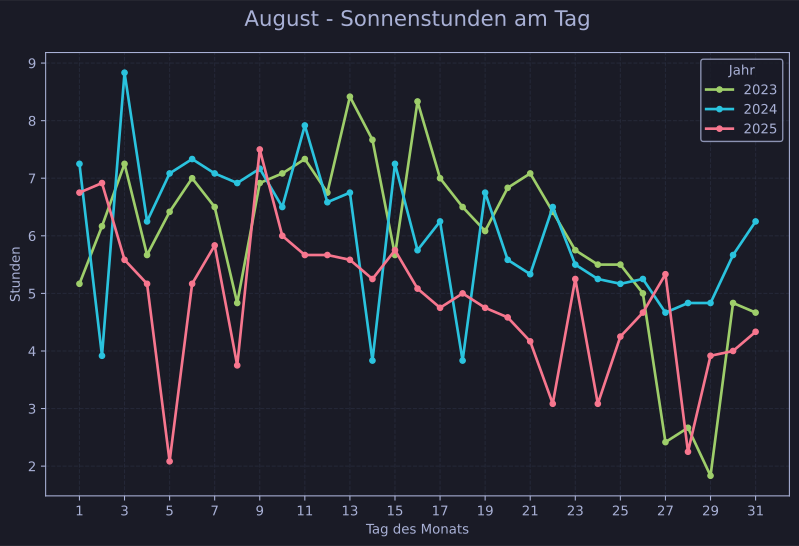
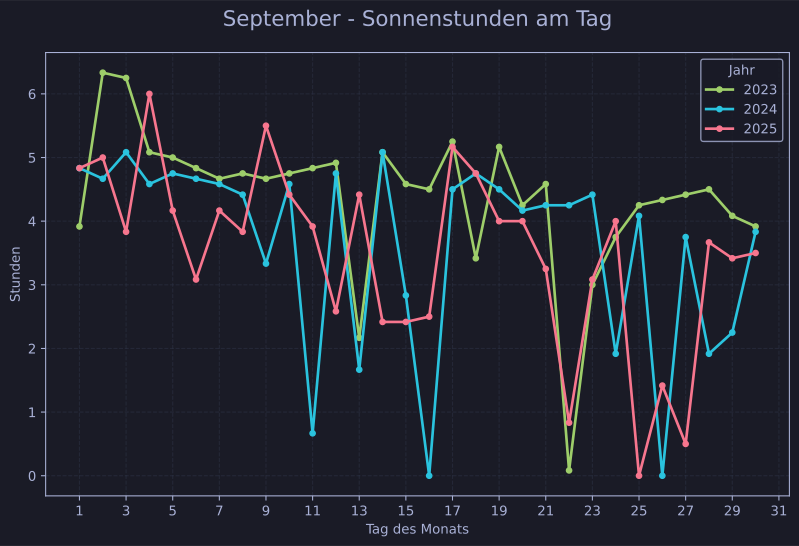
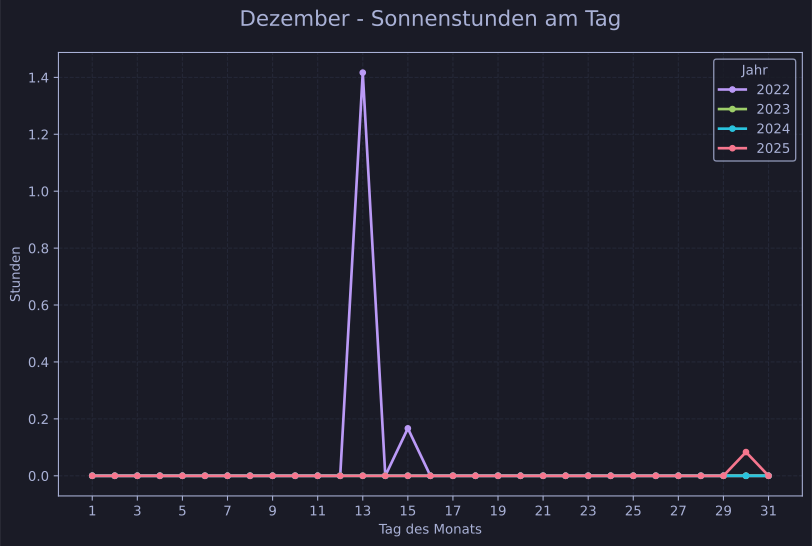
How many hours does the sun shine? For this analysis, I count every period where the light intensity at the station reached at least 20 klux as a “sunshine hour”. This is a good indicator for direct sunlight or at least a very bright sky.
The sunniest year so far was 2024 with a total of 1,421 sunshine hours. The diagram below shows the smoothed daily averages per month.
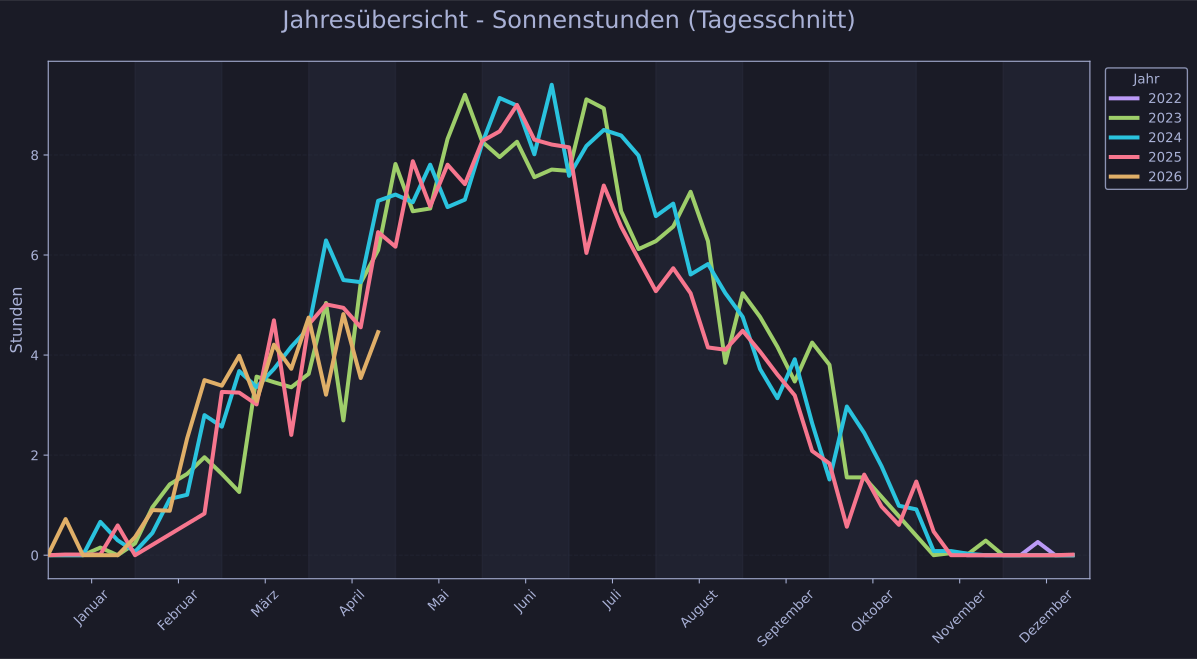
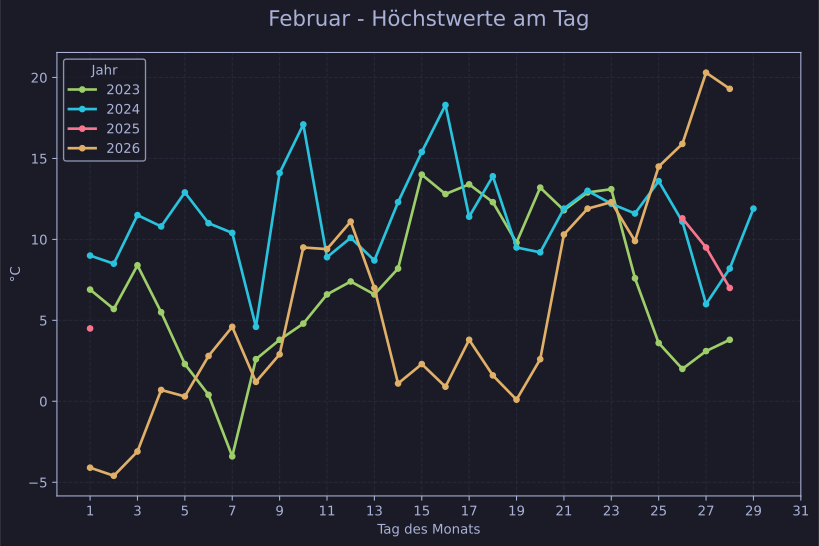
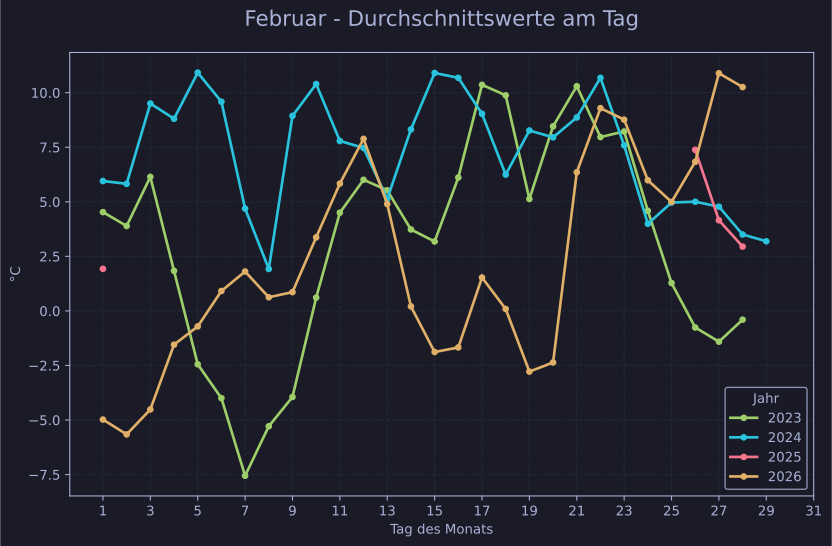
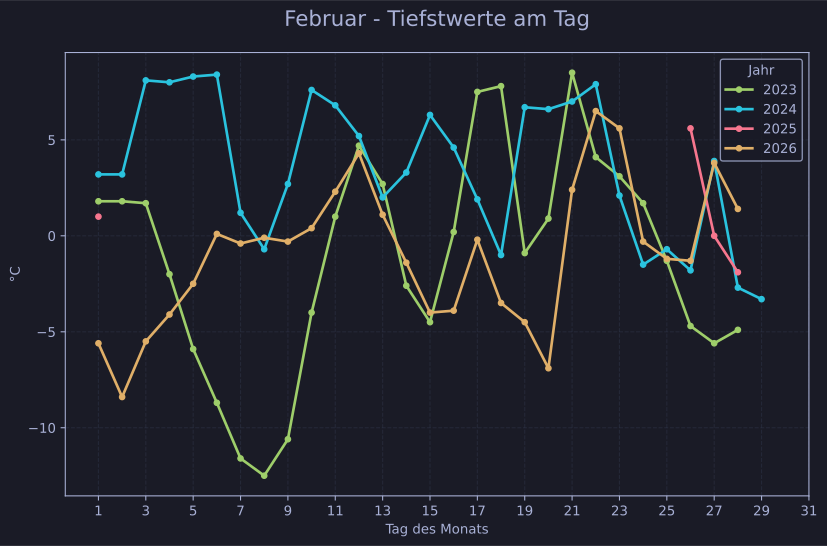
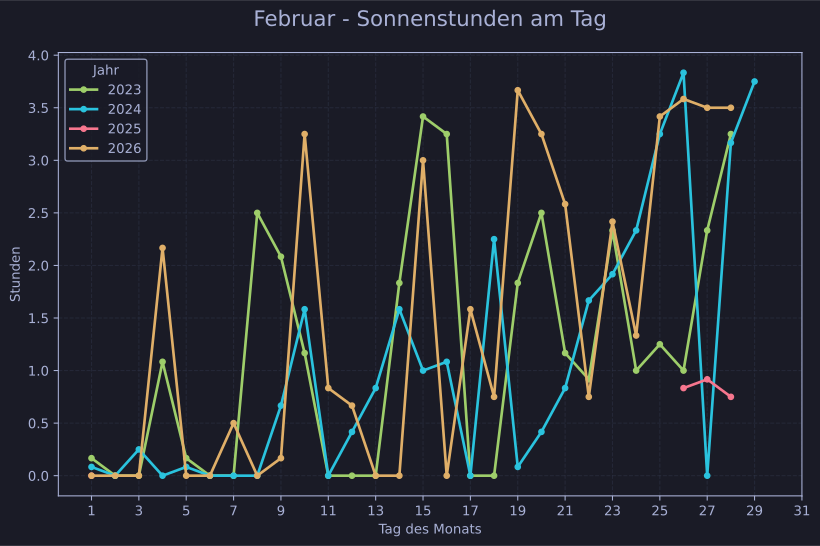
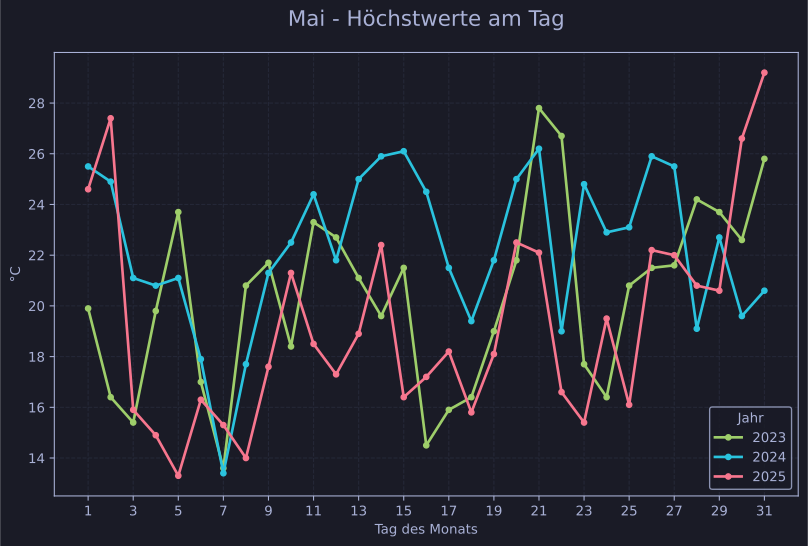
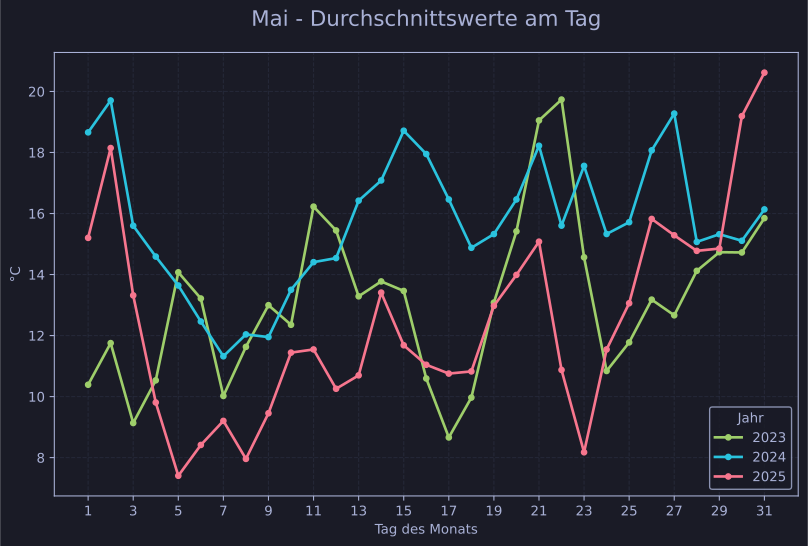
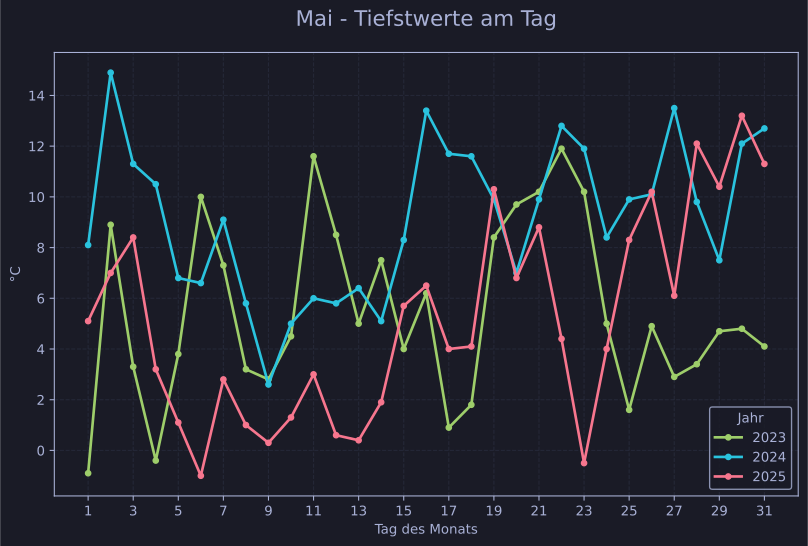
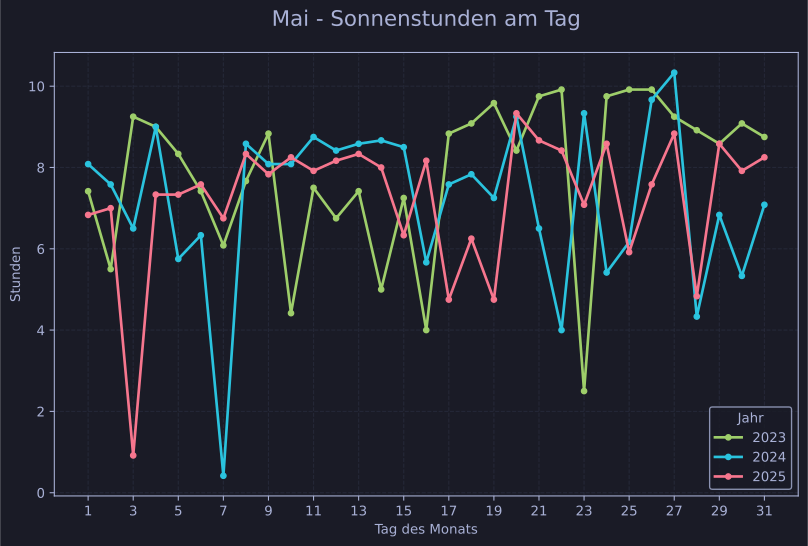
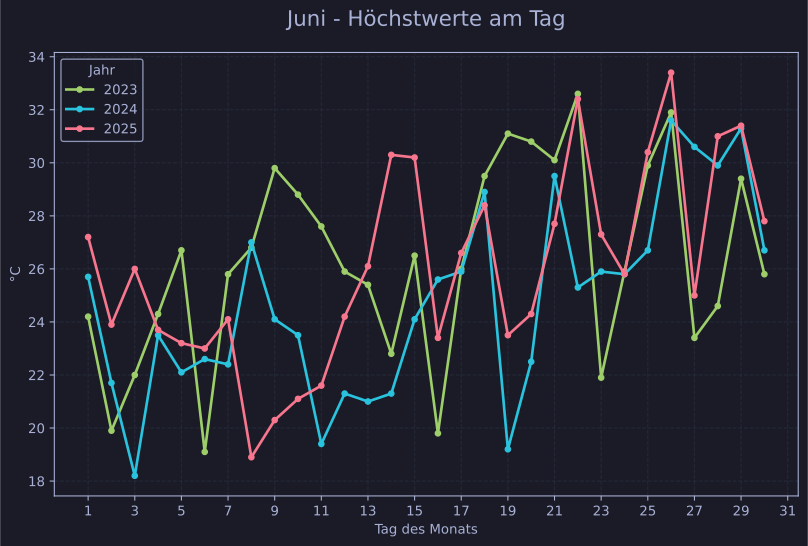
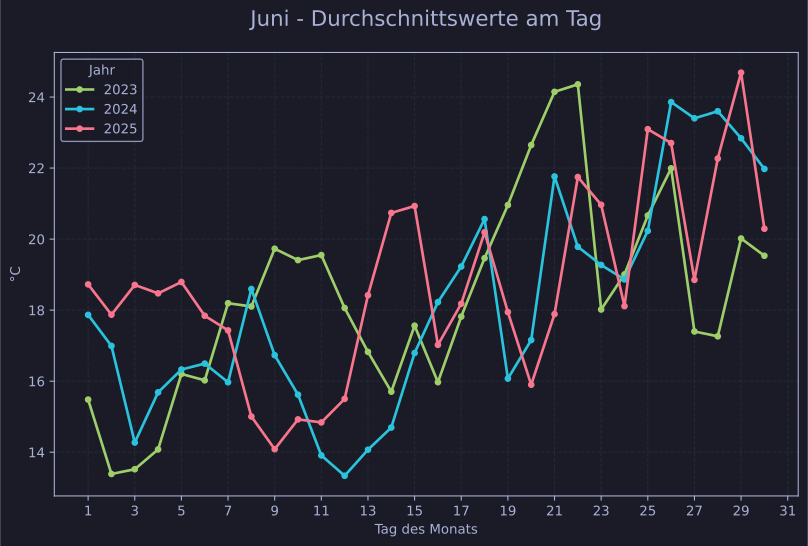
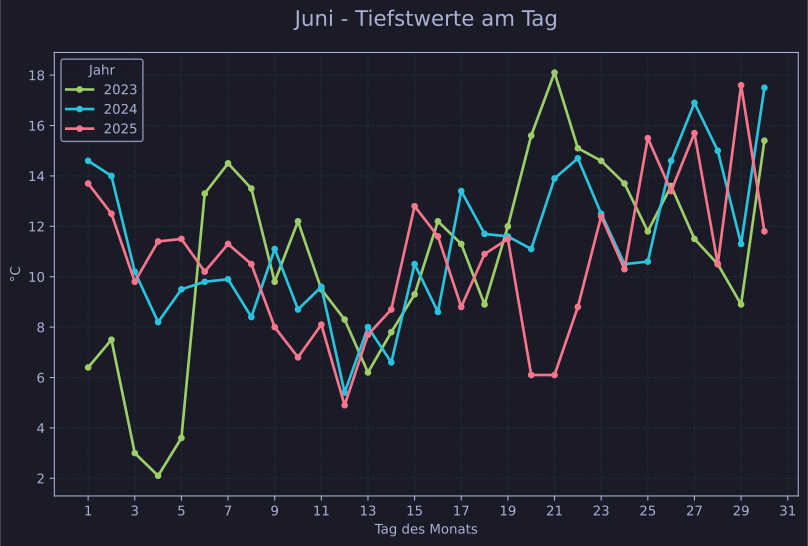
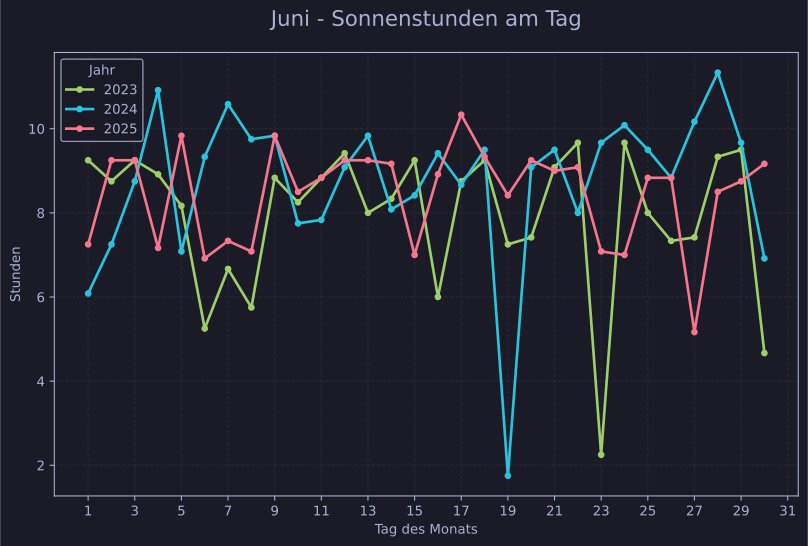
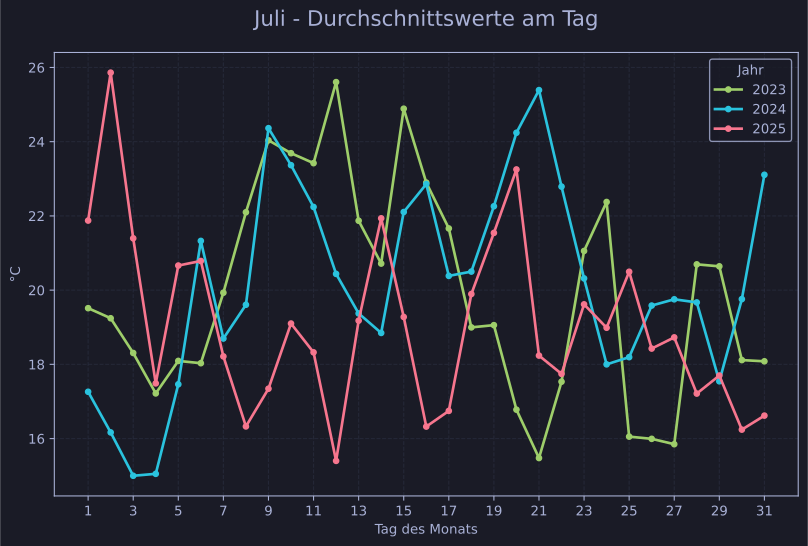
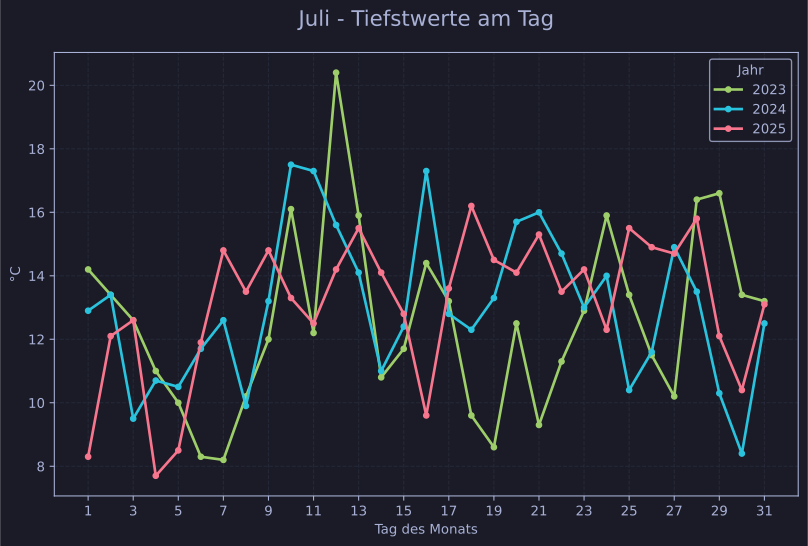
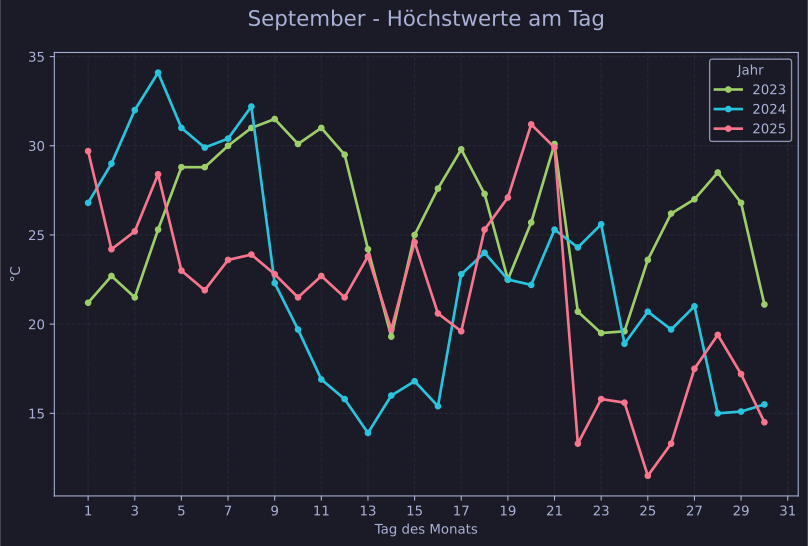
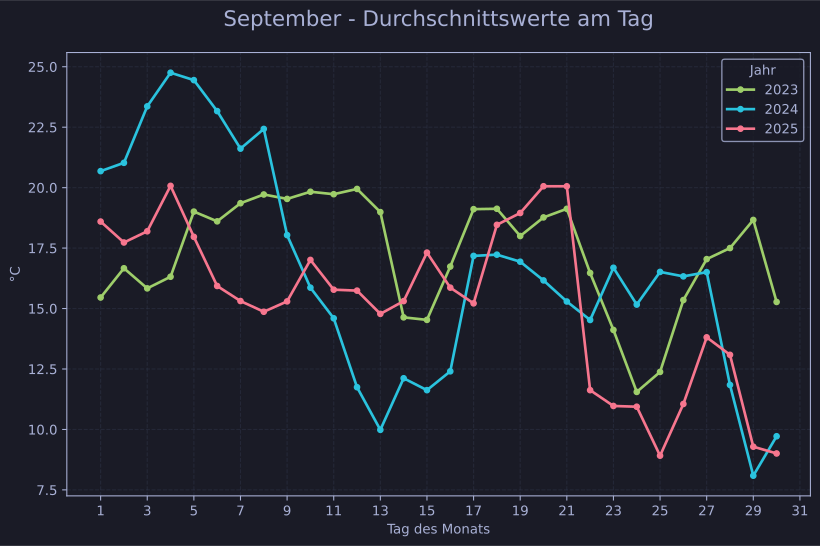
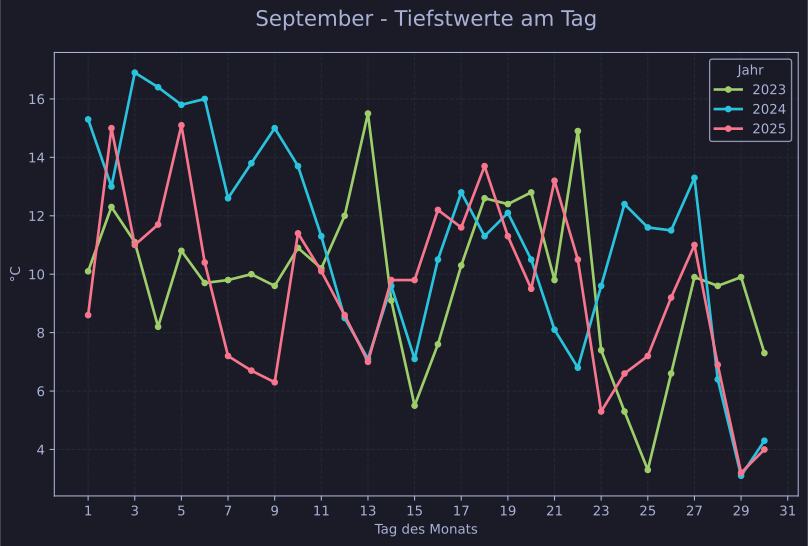
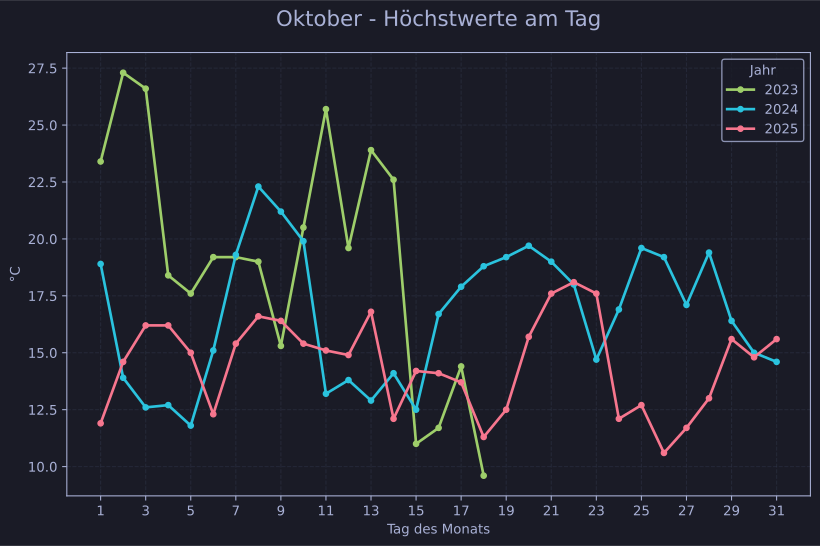
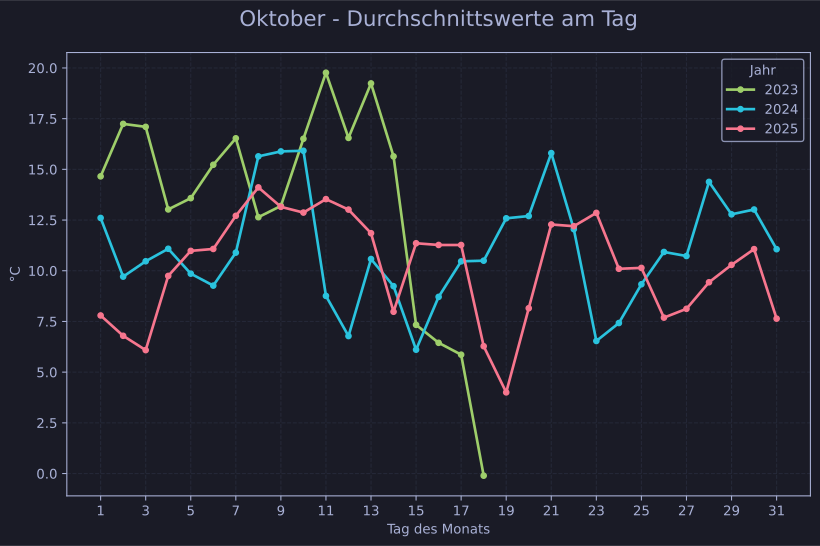
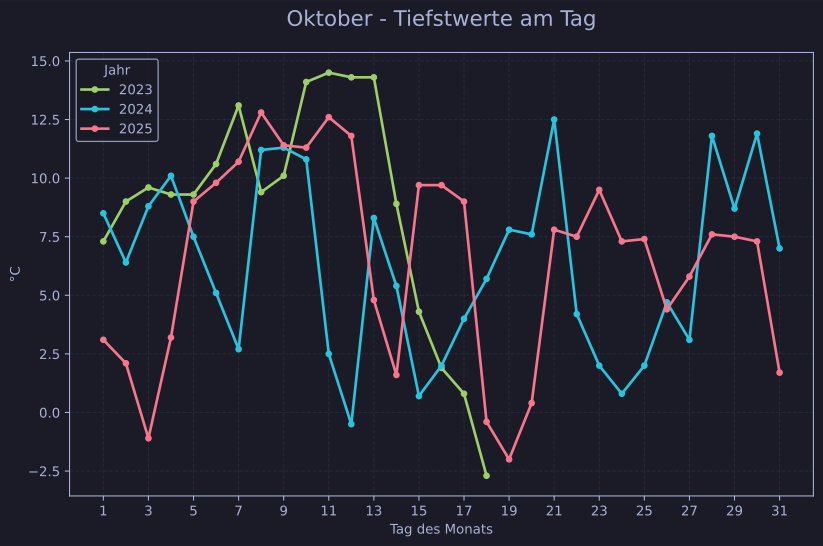
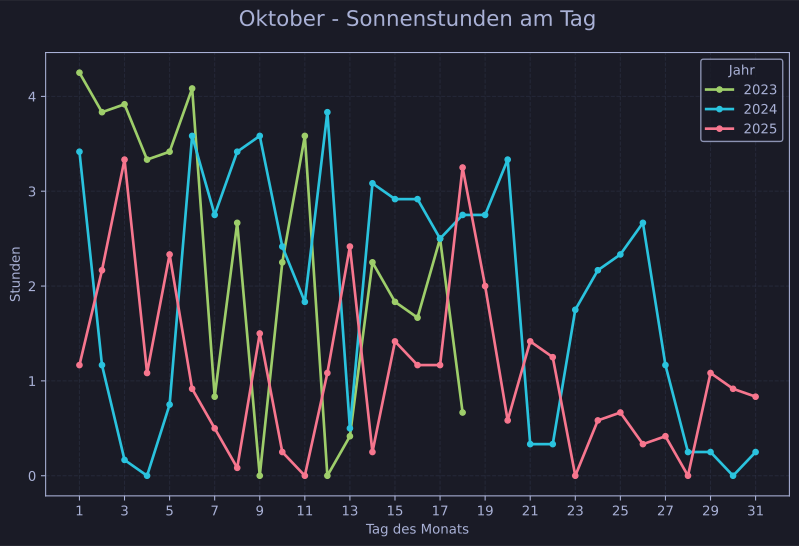
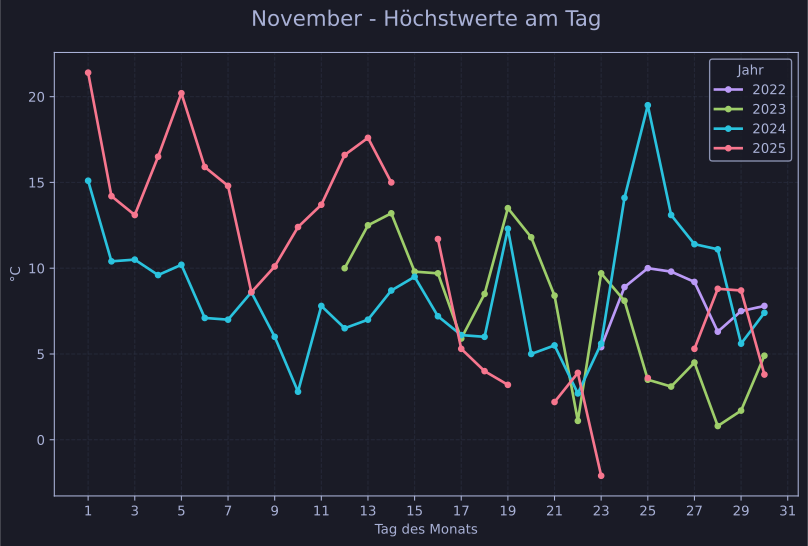
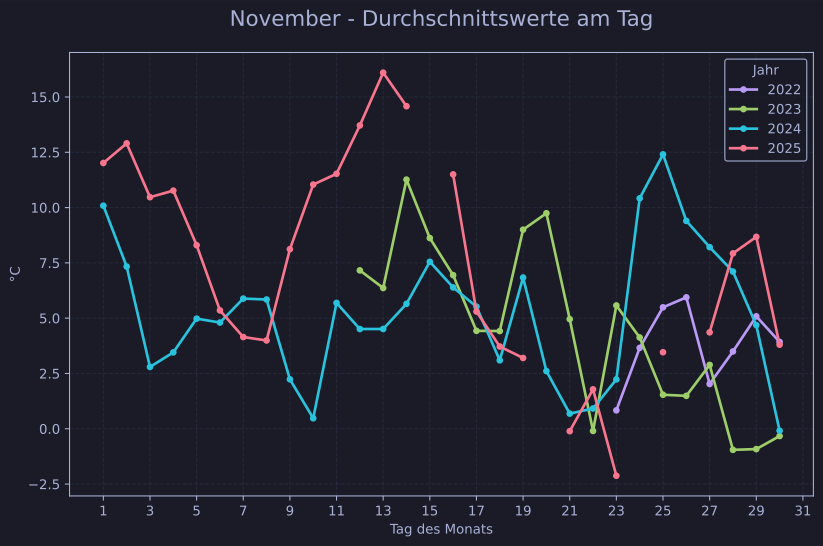
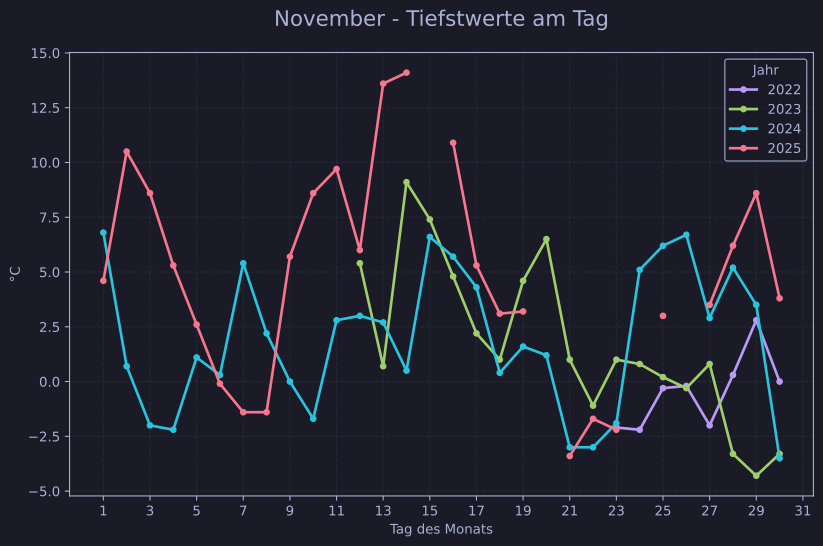
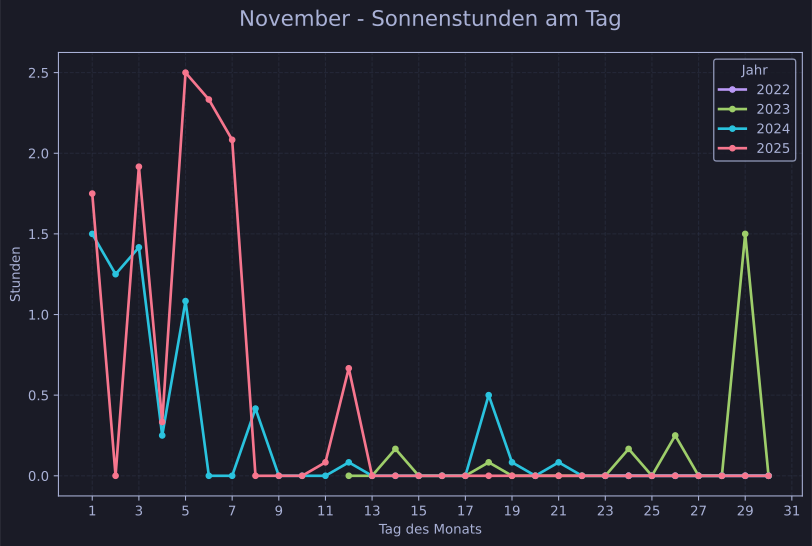
For those who want to know more, you can find the raw daily values in direct comparison across the years here. You can also see the gaps in the data where the station didn’t feel like logging or the server had a hiccup.
Lang verschollenen Tux gefunden
Der Geist der CLT2026 lebt! 🐧✨
Ich bin Frank. Ein Informatiker und Funkamateur aus Deutschland. Außerdem reise ich gern nach Japan.
By Frank Tornack,
Screen Burn-In
Glückwunsch! Deine Pixel sind jetzt offiziell eins mit meiner Website. 📺✨